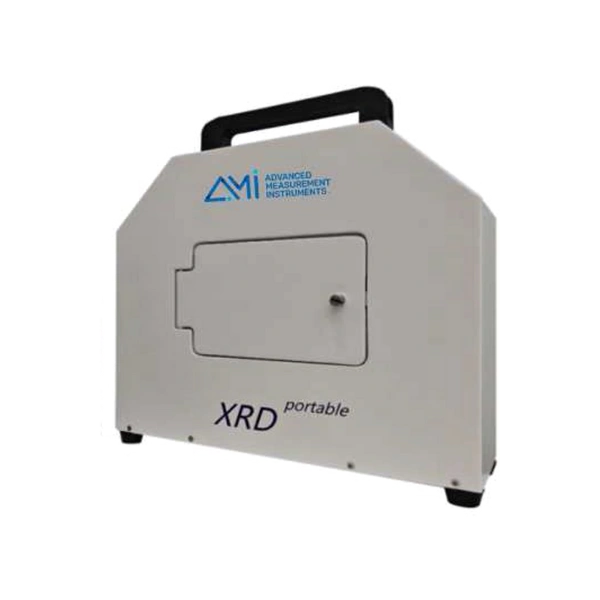
Lattice GO

● Compact lightweight XRD for easy portability.
● Delivers precise results within a few minutes.
● Analyze anywhere / Wide-angle goniometer (0°-130°/ -3°-156°).

Product Overview

Introduction

The Lattice GO redefines portable X-ray diffraction, delivering laboratory-grade performance in a compact, lightweight system. Designed for versatility, it integrates a specialized X-ray source, Bragg-Brentano diffraction geometry, and an advanced 2D array detector to generate high-quality XRD spectra in minutes.

Optimized for field research, on-site quality control, and space-constrained laboratories, the Lattice GO provides high-intensity data with exceptional angular precision, rivaling traditional benchtop systems. Its rugged construction, rapid scanning capability, and user-friendly operation ensure reliable results in any environment.

With the Lattice GO, high-resolution diffraction is no longer confined to the lab—bringing powerful material analysis wherever it’s needed.

Features

Compact and Portable Design

A lightweight, space-efficient system suitable for benchtop use or field deployment, making it ideal for laboratories with limited space or on-site analysis.

Rapid, In-Situ XRD Analysis

Enables immediate diffraction measurements following material synthesis, facilitating real-time screening and informed decision-making.

Laboratory-Grade Data Quality

Delivers high-intensity diffraction patterns with angular precision comparable to full-scale laboratory diffractometers.

Bragg-Brentano Diffraction Geometry

A proven configuration for accurate and reproducible powder diffraction analysis, ensuring high data reliability.

Advanced X-ray Source

Optimized for enhanced signal stability and consistent performance across diverse sample types.

High-Resolution 2D Array Detector

Provides rapid data acquisition with broad angular coverage, capturing high-fidelity diffraction patterns with excellent signal-to-noise ratio.

Optimized Analytical Workflow

Enables efficient sample pre-screening, reducing the need for external testing and improving overall analytical throughput.
Applications

Mineral Industry:

The Lattice GO portable X-ray diffractometer is becoming an essential tool for geological exploration teams, providing rapid, reliable analysis directly in the field. Its ability to perform real-time phase identification and quantitative analysis empowers geologists to make faster, more informed decisions.

• On-Site Mineral Analysis

Qualitative and quantitative identification of mineral phases to support mineralogical research and exploration.

• Geological Feature Evaluation

Analyze surrounding rock structures in mineralization zones to understand ore genesis and mineral distribution.

• Process Optimization

Identify ore formation mechanisms and determine appropriate mining, beneficiation, refining, and smelting methods.

• Core Logging Support

Detect fine-grained fragments, complex lithologies, and subtle mineral changes to guide drilling and stratigraphic interpretation.

• Rapid Ore Quality Assessment

Conduct fast, quantitative mineral content analysis on-site to inform mineral trading and field decisions.

• Urban Resource Recovery

Identify and quantify mineral content from recycled materials for effective urban mining and resource reuse.

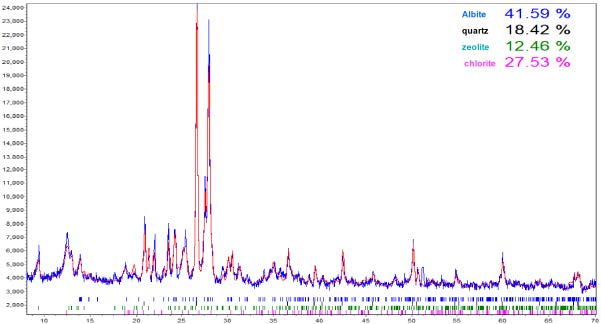
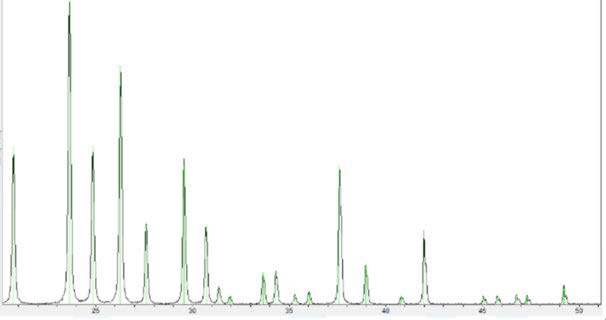
Sandstone Sample Diffraction Pattern and Standard-Free Quantitative Analysis

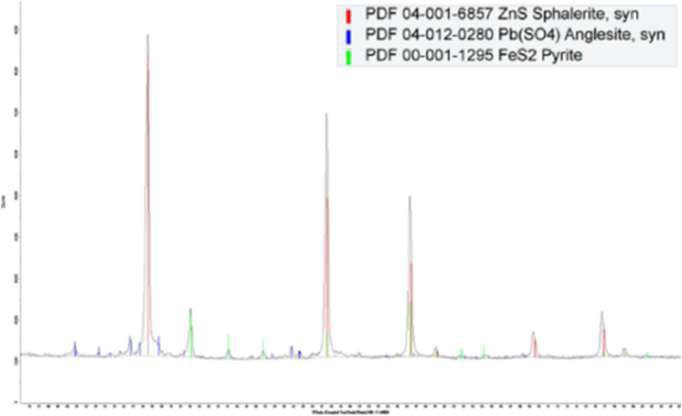
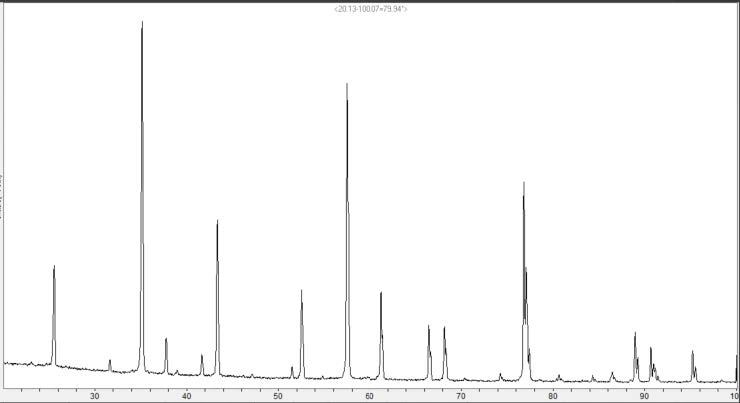
Zinc Concentrate Diffraction Pattern and Qualitative Analysis

Cultural Heritage:

The Lattice GO enables non-destructive, on-site analysis of culturally significant materials, making it an invaluable tool for conservation scientists, archaeologists, and museums. Its precision and portability support preservation, research, and authentication of priceless artifacts.

• Phase Analysis of Artifact Materials

Identify crystalline phases in bronzeware, ironware, ceramics, pigments, and mural base layers.

• Corrosion and Weathering Studies

Analyze corrosion products and weathering layers to understand degradation mechanisms and guide conservation strategies.

• Restoration and Preservation

Assist in development of preservation techniques for murals, stone relics, and metal artifacts through material characterization.

• Provenance Studies

Determine the geographic origin and production techniques of cultural relics using mineralogical fingerprinting.

• Authentication and Anti-Counterfeiting

Verify authenticity of artifacts by comparing structural signatures to known references.

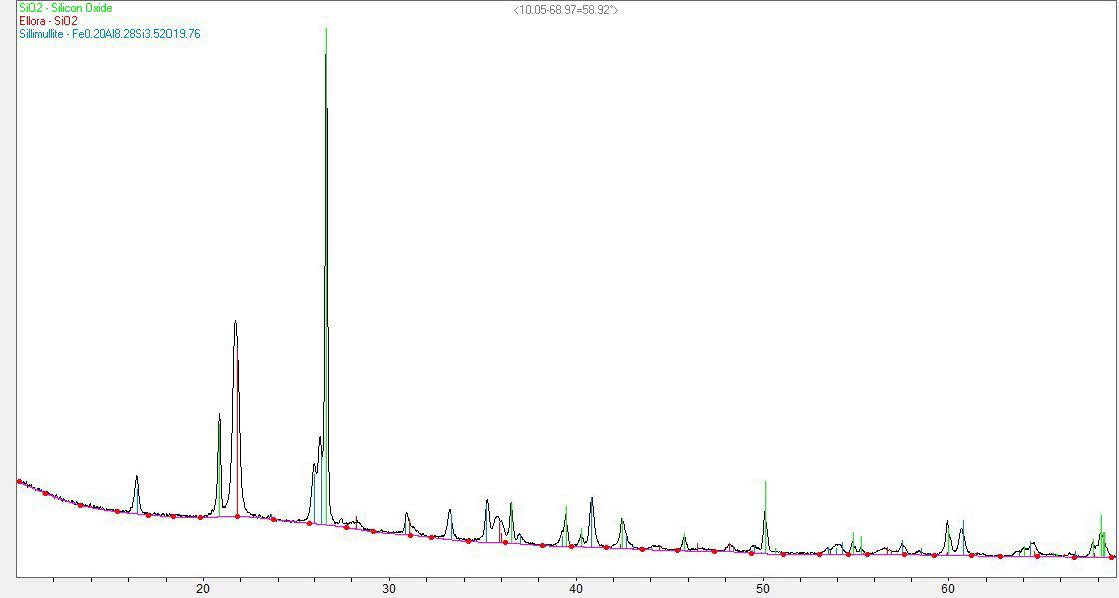
Ancient Ceramic Fragment Diffraction Data and Qualitative Analysis

Security and Drug Safety:

The Lattice GO brings advanced, non-destructive XRD capabilities to law enforcement and forensic science, enabling rapid, on-site analysis with minimal sample preparation. Delivering real-time results, it supports fast, accurate decision-making in critical situations.

On-Site Drug Identification

Perform rapid, non-destructive qualitative and quantitative phase analysis of narcotics, new psychoactive substances (NPS), and precursor materials.

Criminal Investigation Support

Identify and characterize controlled substances in the field to aid forensic investigations and track drug trafficking routes and sources.

Non-Destructive Forensic Testing

Preserve sample integrity while obtaining precise, high-resolution diffraction data for reliable forensic analysis.

Drug and Substance Characterization

Conduct on-site qualitative and quantitative analysis of illicit drugs, counterfeit pharmaceuticals, and precursor materials for trafficking detection and source attribution.

Trace Evidence Analysis

Detect and classify trace compounds such as cyanide, organic contaminants, paper fillers, toxic additives, and soil or mineral fragments from crime scenes or stolen cultural relics.

Security Screening at High-Risk Locations

Rapidly identify illicit substances, explosives, and hazardous materials at border checkpoints, airports, train stations, and public venues.

Explosives and Contaminant Detection

Analyze explosive compounds and their decomposition residues, as well as adulterants such as talcum powder and borax in consumer goods and food products.

Heroin Hydrochloride XRD Pattern

Specifications

Lattice Portable-XPortable XRD Analyzer
X-Ray Tube Power30 W, 30 kV / 1 mA
X-Ray Tube Target MaterialCu
TheodoliteTheta / 2-theta geometry, radius 110 mm
DetectorPhoton direct-read two-dimensional array detector
Maximum Scanning Range0° – 130°
2-Theta Minimum Step Size±0.01°
Measurement Speed1°/s
Battery Runtime3 hours
Volume & WeightL 4.8 in (120 mm) × W 11.9 in (300 mm) × H 11.9 in (300 mm), 26.5 lbs (12 kg)
Ruby Standard Sample (NIST1976)
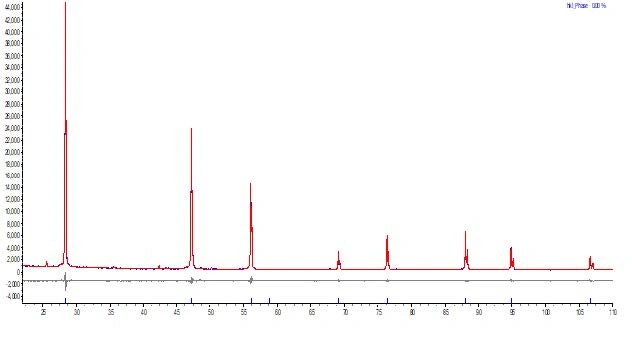
Silicon Powder Measurement Data and Rietveld Structure Refinement

Related Products