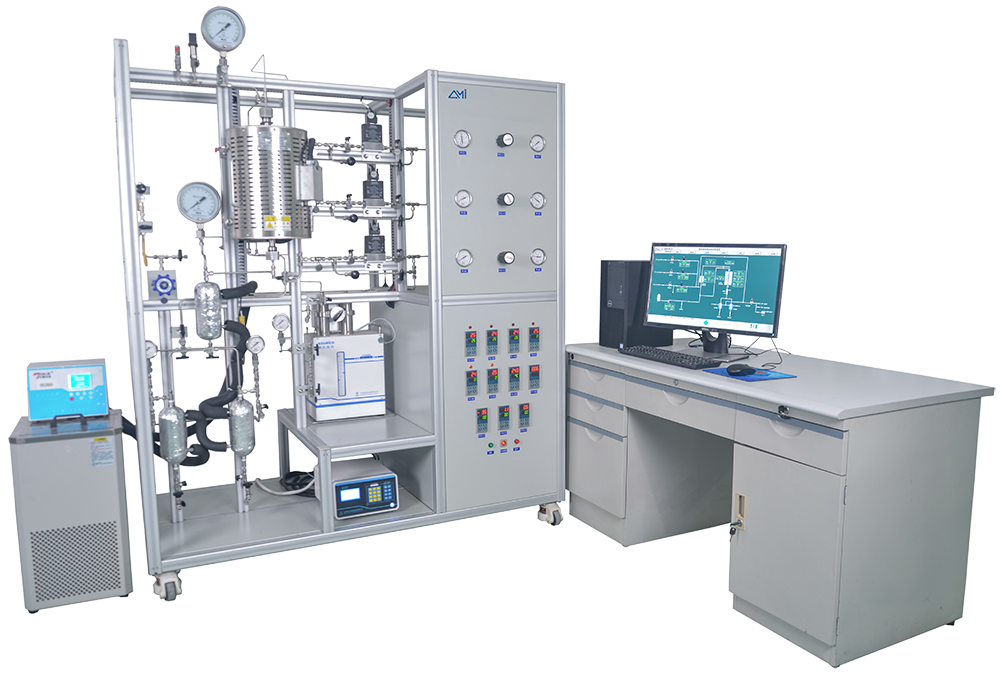
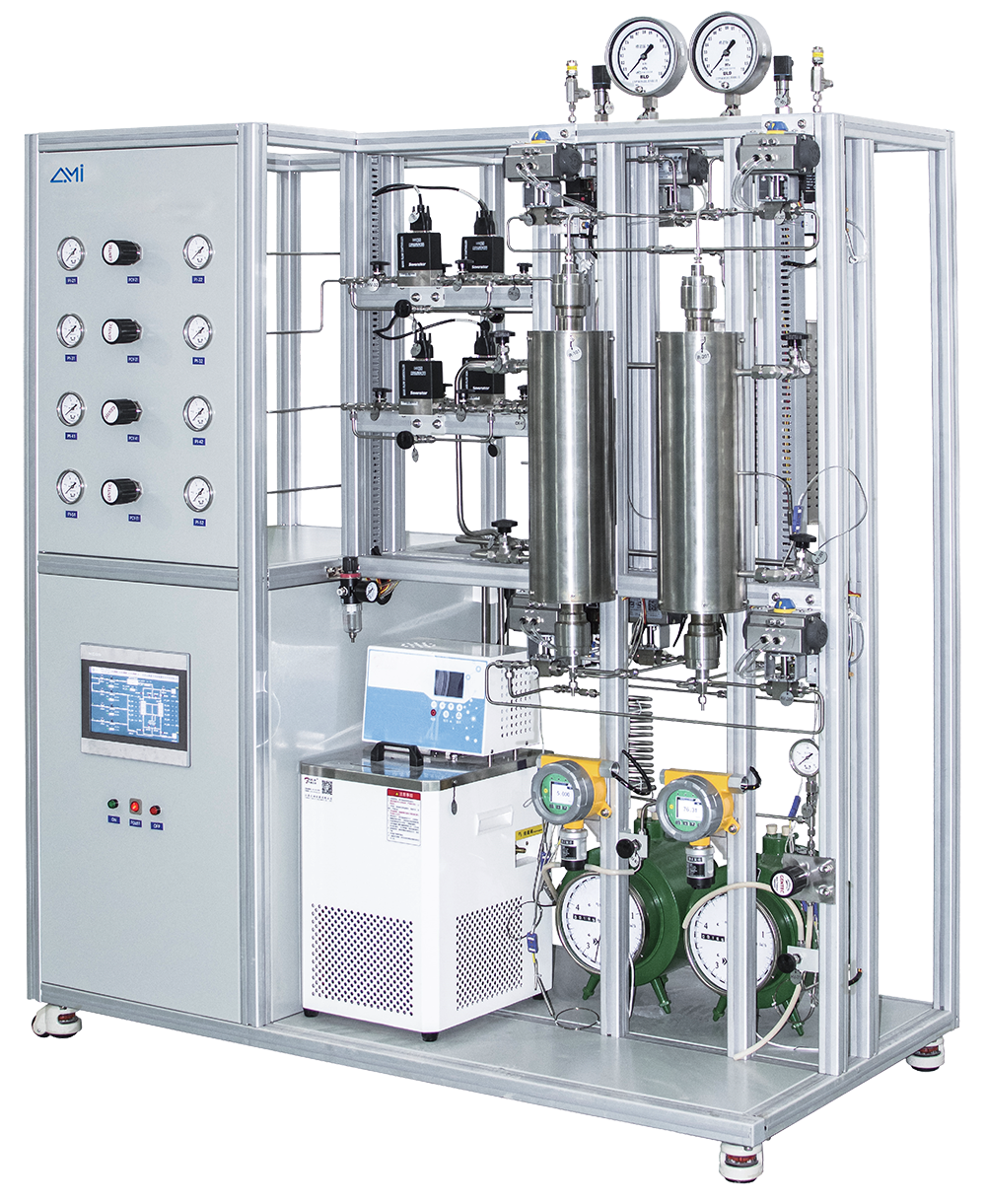
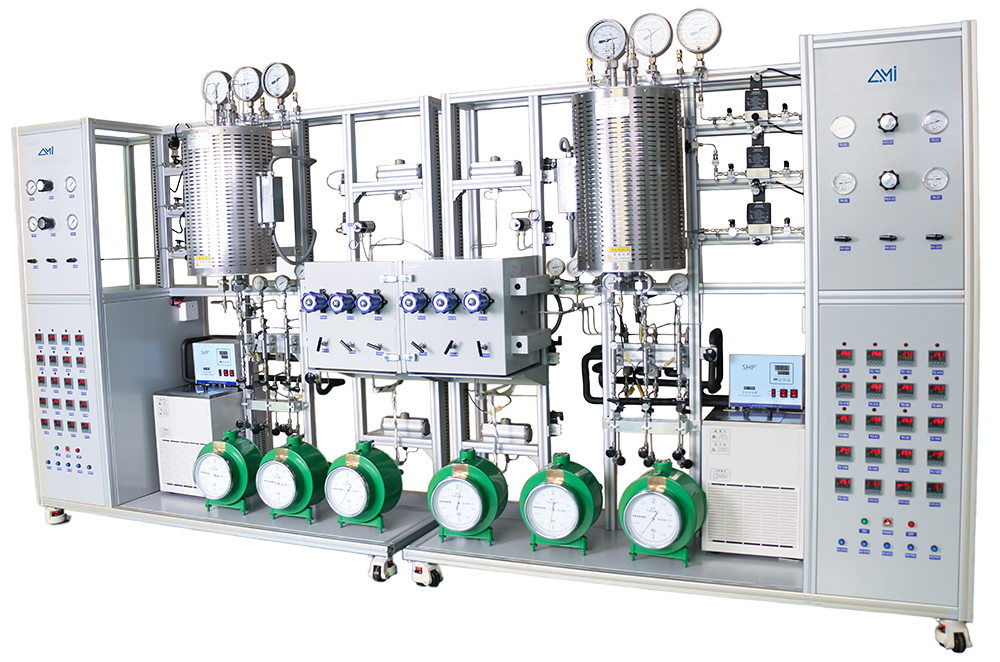
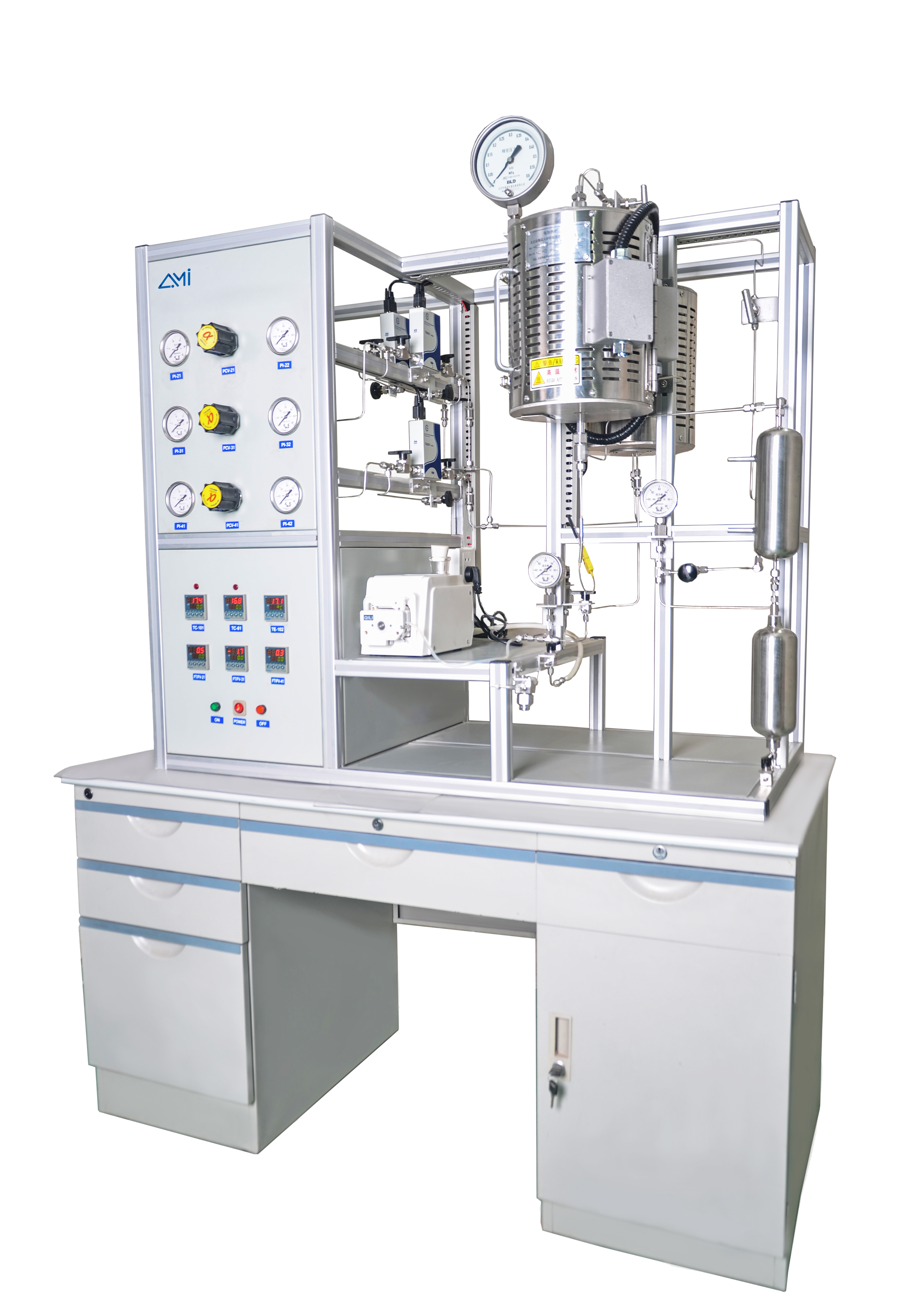
BenchCAT Catalog

● Perform dynamic temperature-programmed catalyst characterization experiments unattended.
● Designed for complex experimental applications and provides one-stop services for your laboratory needs.
● Adopts a modular integrated design scheme, suitable for exploration of reaction conditions.

Product Overview

Introduction

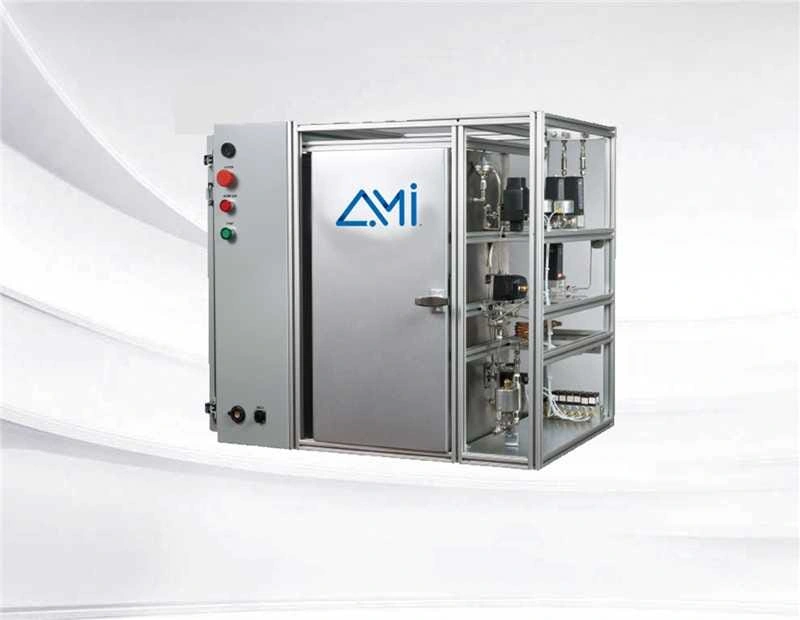
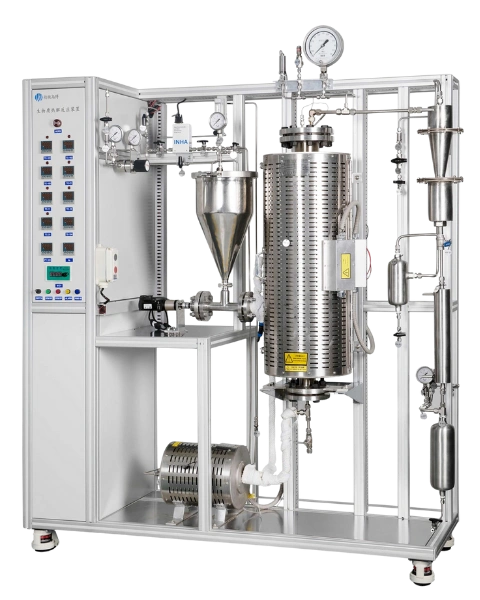
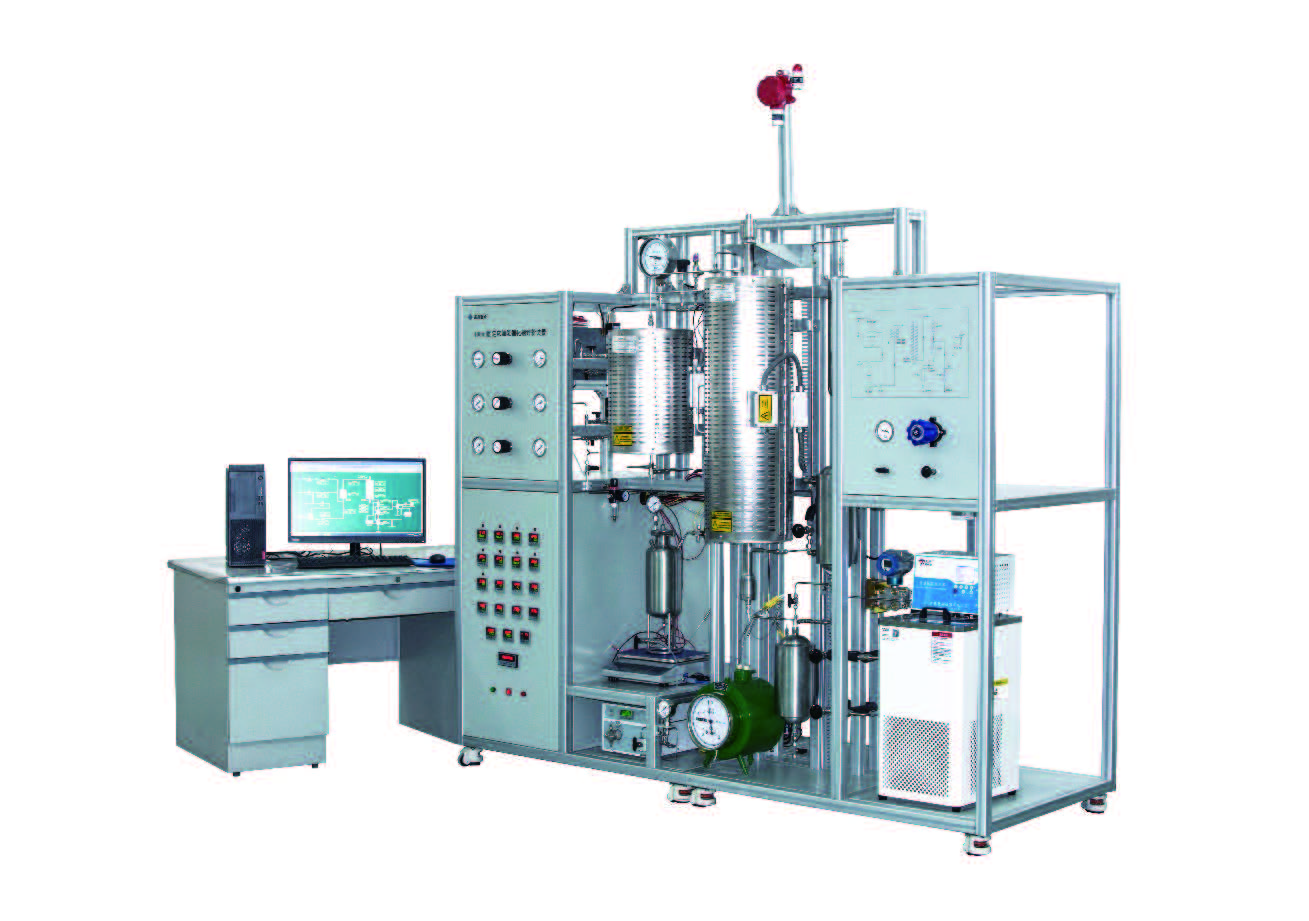
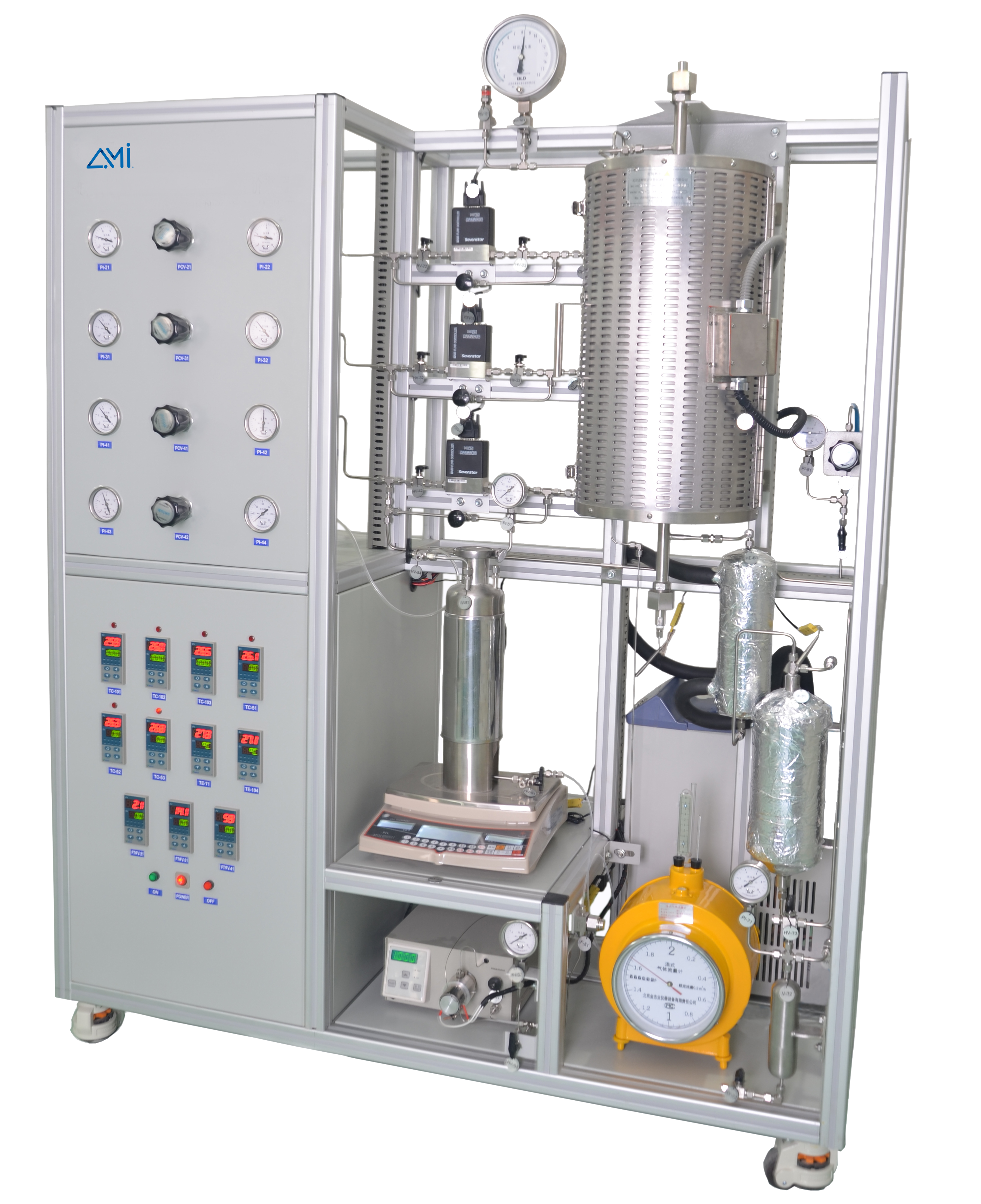
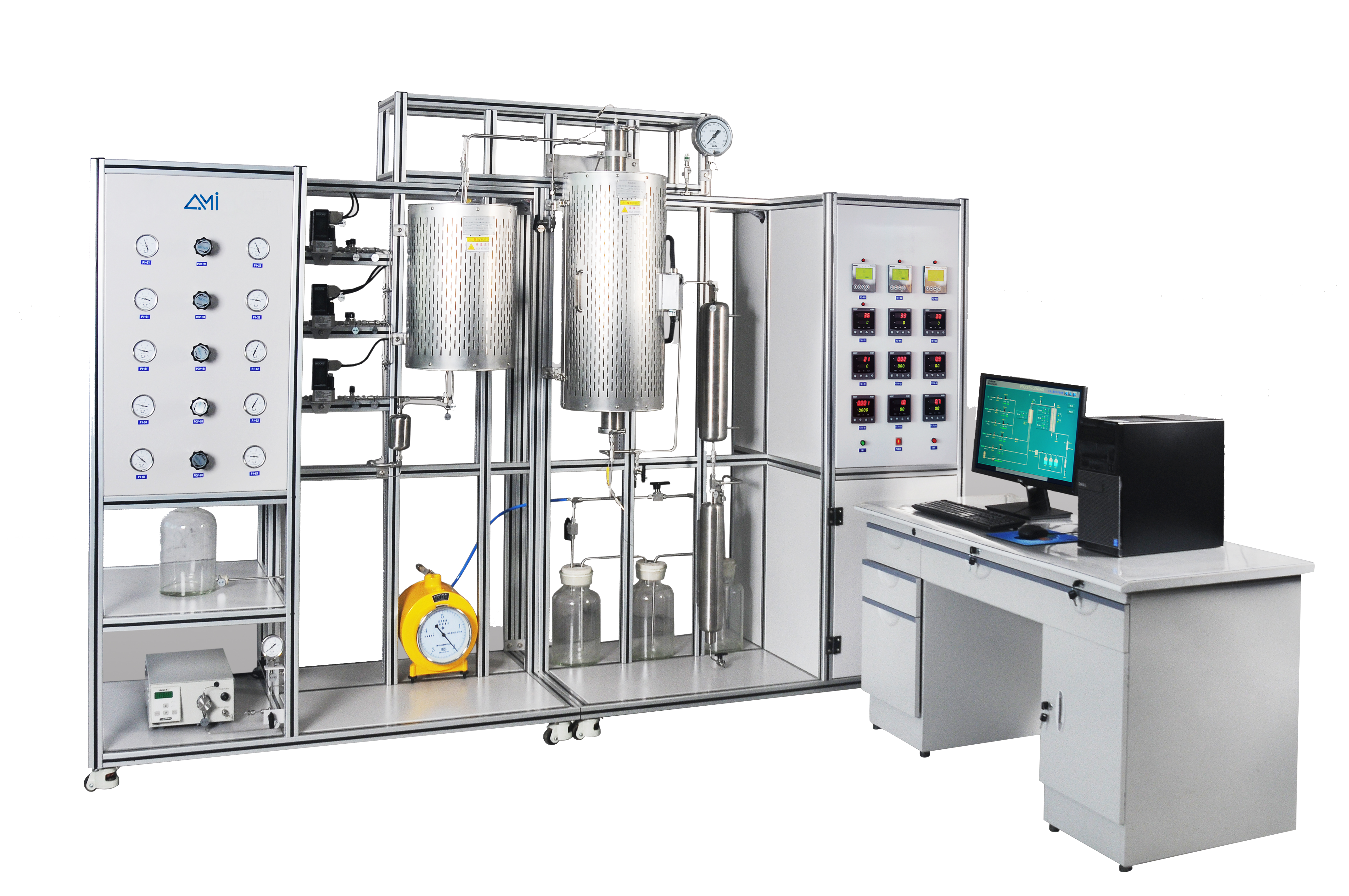
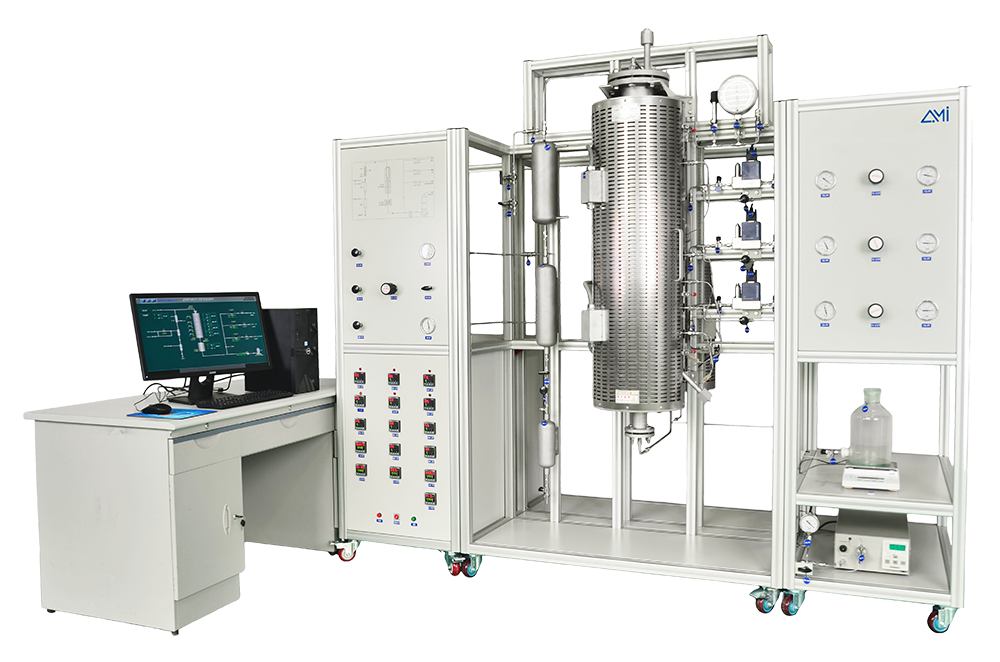
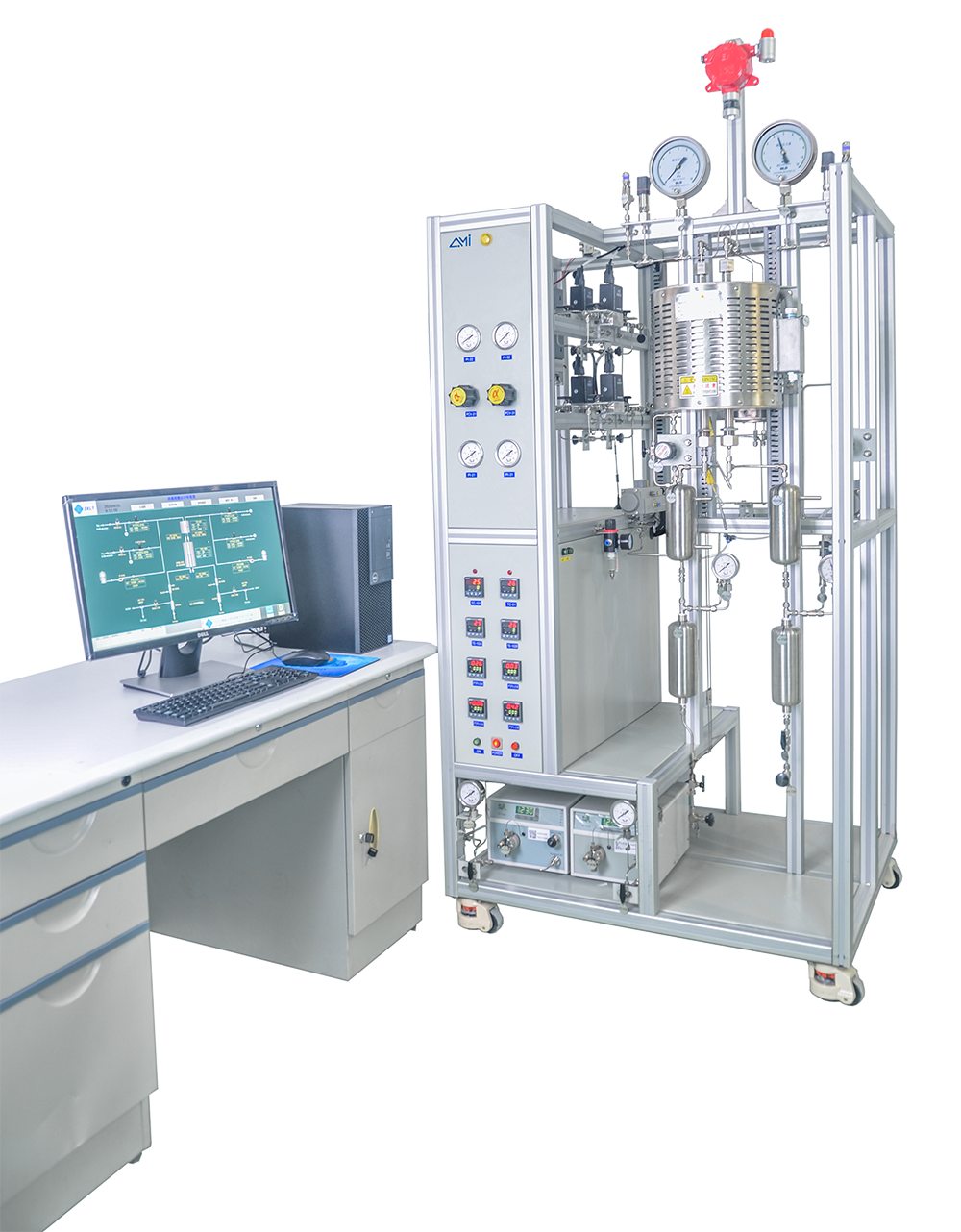
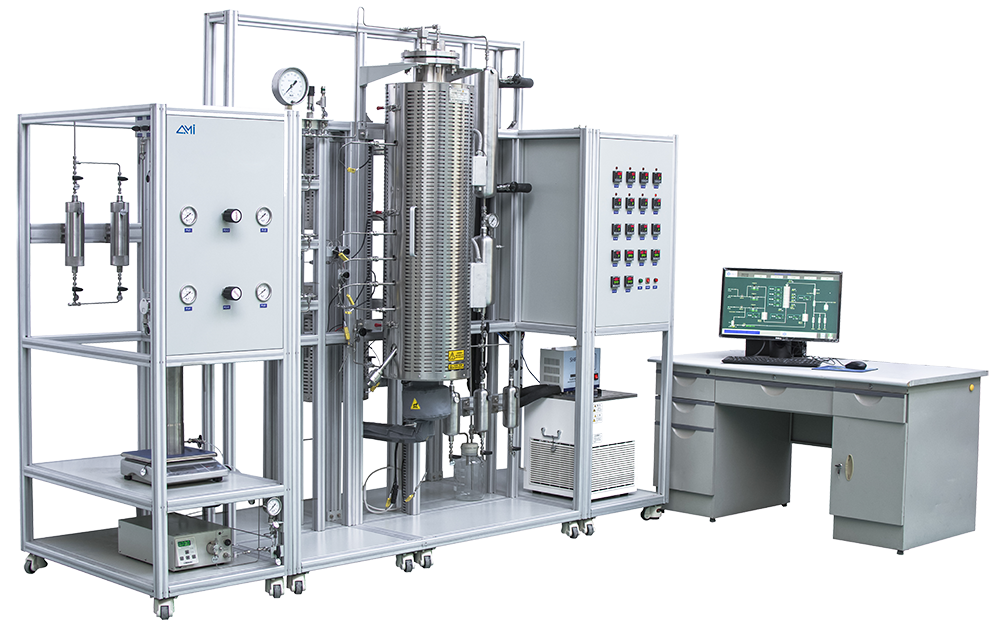
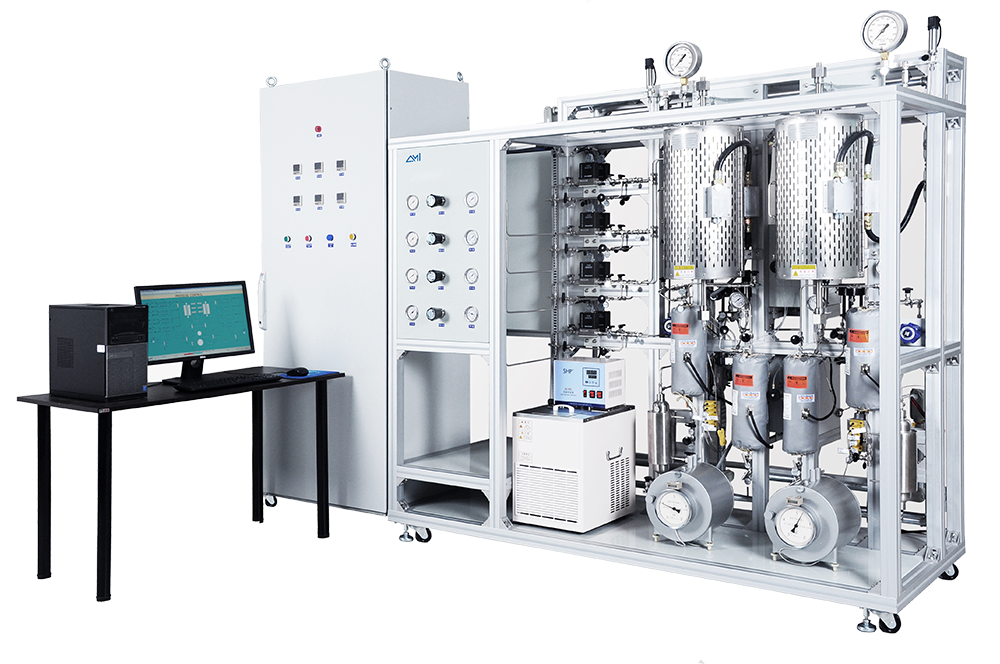
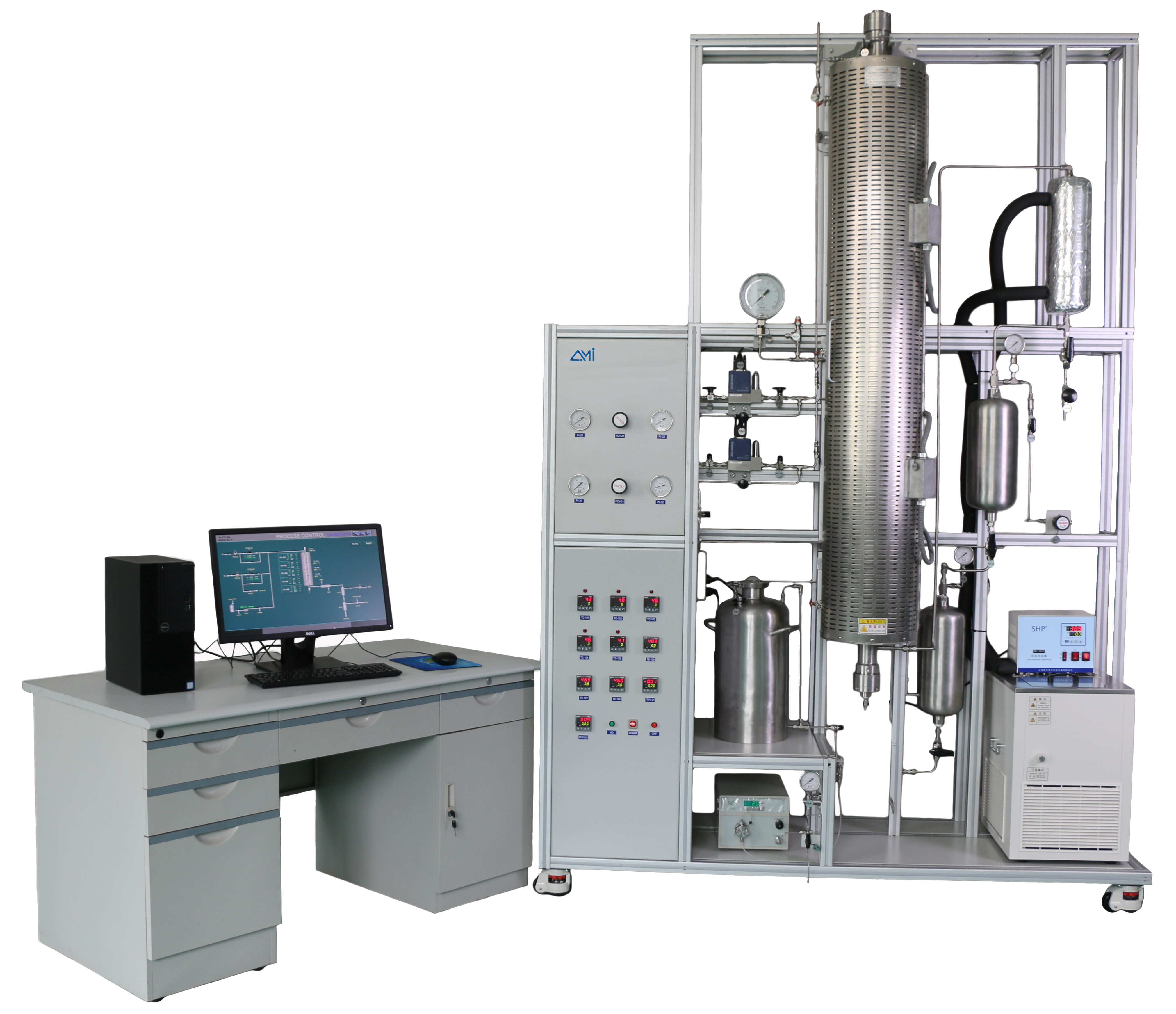
The BenchCAT is built for researchers who need to process larger catalyst volumes or require custom reactor configurations. Typically designed as floor-standing systems or specialized setups, BenchCAT units are ideal for advanced catalysis studies, pilot-scale testing, or any application that goes beyond standard fixed-bed reactor capabilities.

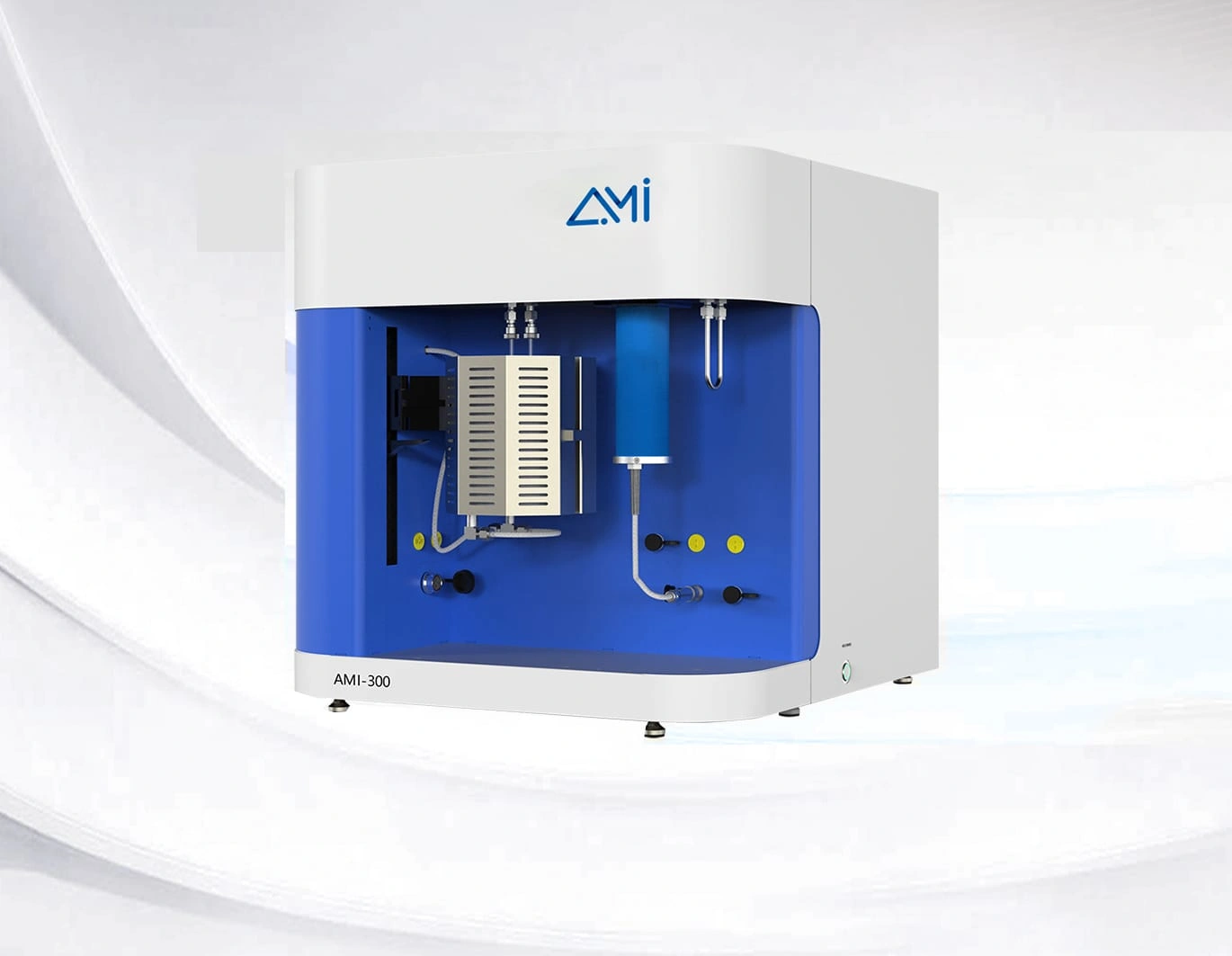
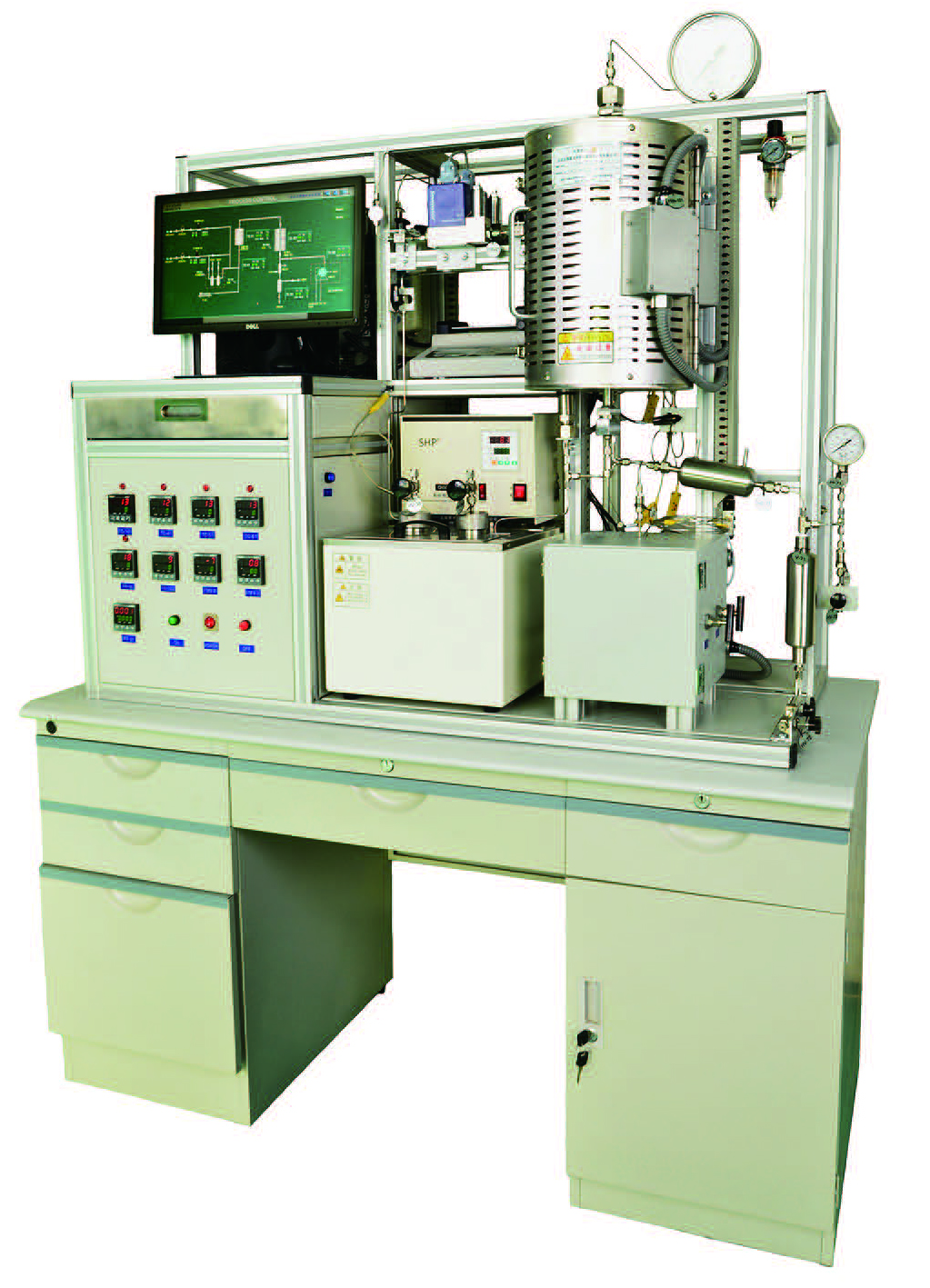
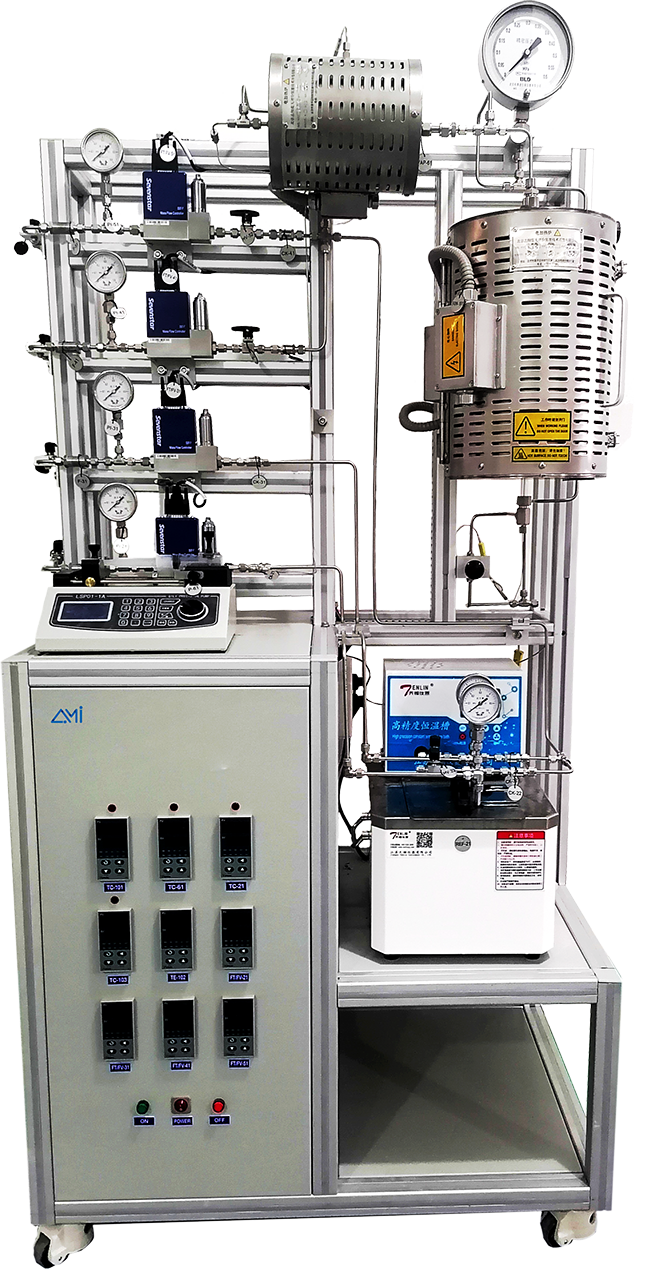
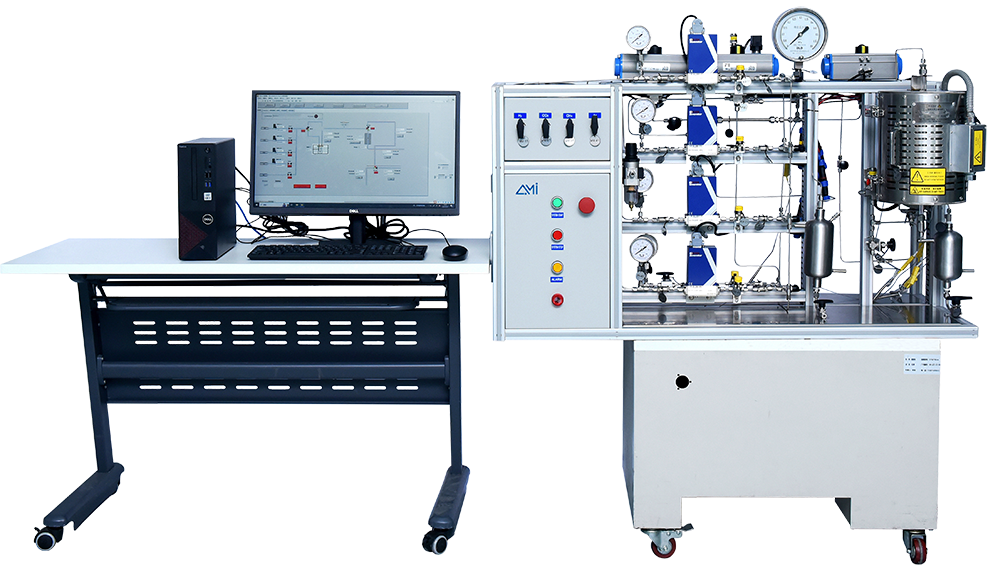
By comparison, the μBenchCAT series consists of pre-engineered, benchtop systems that sit easily on a lab table or workbench. These compact units are optimized for fixed-bed catalytic experiments, with configurable options for gas and liquid feeds, as well as a range of temperature and pressure conditions. The microBenchCAT offers a space efficient and cost-effective solution for routine testing and academic research.

Choose the BenchCAT when your research demands greater scale, flexibility, or custom design beyond what the microBenchCAT series offers. AMI will customize these instruments to meet your exact research needs today.

Applications

#Application
01Petrochemical Industry
02Coal Chemical Industry
03Fine Chemicals
04Environmental Protection
05CO₂ Adsorption & Capture
06Hydrogenation Catalysis Systems
07Adsorption Separation
08Multichannel Capability
09Flue Gas Denitrification Systems
10Fixed-Bed Reactors
11Fluidized-Bed Reactors
12Trickle-Bed Reactors
13Slurry-Phase (Autoclave) Reactors
14Catalyst Evaluation Systems
15Photocatalytic Reaction Systems
16Electrochemical Reaction Systems

Client Cases

Heavy Oil Hydrocracking Catalyst Evaluation Reactor

The reactor is used to evaluate the performance and effectiveness of hydrocracking catalysts for heavy petroleum fractions. In this device, heavy petroleum fractions typically come into contact with the catalyst and react under high temperature and pressure conditions to convert the heavy fractions into lighter products, such as fuel oil or paraffin. The system generally includes a gas supply system, liquid supply system, preheating reaction system, condensation separation system, and backpressure system. By evaluating the catalyst performance, the petroleum processing technology can be improved, enhancing product quality and yield.

Design Parameters:

Catalyst Loading100 mL
2 Inlet Gas Streams, 1 Inlet Liquid Stream
Design Reaction Pressure10.0 MPa
Design Reaction Temperature500°C

CO2Gas Adsorption and Capture Reactor

This reactor is specifically designed for studying and experimenting with the CO2adsorption process. It uses specific adsorbents (such as molecular sieves, activated carbon, etc.) to simulate the process of CO2being adsorbed from the gas phase onto solid adsorbents. The technical features include real-time monitoring of CO2concentration changes, control over the selectivity of the adsorbent, and the ability to perform multiple adsorption-desorption cycles to evaluate the regeneration performance of the adsorbent. It is primarily used in the research of carbon capture technologies, providing insights into CO2 adsorption behavior under various conditions, evaluating the performance of adsorbents, and offering scientific data to address climate change and mitigate greenhouse gas emissions.

CO2 Hydrogenation Catalyst Evaluation Device (Touchscreen)

The device features a touchscreen interface, allowing users to intuitively and conveniently control experimental conditions and monitor the reaction process. Technical Features: Full-component backpressure after the reaction. It ensures stable reaction pressure while enabling pressure control, allowing subsequent process steps to be operated at atmospheric pressure. This design not only saves costs but also accommodates different process modes.

Methanol – Carrying 2ml Multifunctional Catalyst Evaluation Reactor

SCR Desulfurization and Denitrification Reactor

Design Parameters:

Catalyst Loading100 mL
Catalyst loading50 g~100 g
N2 gas flow rate0~ 2 L/min
Air gas flow rate0 ~4 L/min
Reserved gas flow rate0 ~2 L/min
Liquid Feed Rate5 ~ 250 g/h
Design Pressure≤ 6 MPa
Design Reaction Temperature850°C
Design Preheating Temperature350°C

100g MTO Fixed Fluidized Bed

It is primarily used to evaluate the performance of catalysts in the MTO process, to improve MTO catalysts, and to enhance the selectivity and yield of olefins. The unit consists of a reactor, catalyst supply system, fluidized bed system, and product analysis module. Its technical features include controllable reaction temperature and pressure, an efficient fluidized bed system, and the capability for real-time monitoring and analysis of products.

Methanation High-Pressure Dual-Channel Parallel Reactor

The methanation reactions of CO and CO2 are volume-reducing reactions, and higher pressure promotes a more complete reaction.

Technical Features:

The high-pressure reactor and the dual-tube parallel reaction furnace are specially designed to ensure the matching of the reactor and parallel reaction furnace while maintaining parallel temperature conditions.

Fluidized – bed Reactor

Simulation of Fluidized – bed Catalytic Reaction:

It can simulate the common fluidized – bed catalytic reaction conditions in industry, where the granular bed material is in a fluidized state under the action of gas flow. This design brings the experiment closer to actual industrial applications.

Better Mass Transfer and Reaction Performance:

The special structure of the fluidized bed enables the granular bed material to be efficiently mixed in the flowing gas, improving the mass – transfer efficiency and enhancing the contact between the catalyst and the reactants.

Study on the Kinetics of Fluidized – bed Catalysts:

This involves studying the kinetic behavior of catalysts in a dynamic fluidized bed. It is of great significance for understanding the stability, durability of the catalyst in actual reactions, as well as its response to different gas components.

Experimental Results Closer to Practical Applications:

The catalyst evaluation device can provide a more realistic dynamic of gas flow in the bed layer, making the experimental results closer to actual industrial applications, thus better guiding the design and application of industrial catalysts.

Catalyst Loading100 ~150 g
NH3 Gas Flow Rate0 ~ 3000 m1/min±1% FS
N2 Gas Flow Rate0 ~ 1000 m1/min±1% FS
Liquid Feed Rate0 ~ 5 m1/min±1% FS
Reaction Pressuremicro positive pressure±1°C
Reaction Temperature0 ~ 750°C±1°C
Preheating Temperature0 ~ 350°C±1°C

VOC Reactor

The VOC (Volatile Organic Compound) reaction device is used for the treatment of volatile organic pollutants, typically applied in air pollution control. These devices generally include a gas treatment unit where VOCs are oxidized, degraded, or converted into harmless substances. The technical features of the device enable the efficient removal of VOCs using high-performance catalysts or oxidants.

·Design Parameters:

Catalyst Loading0.1~1.0g
VOC Gas Carrying EquipmentThe VOC raw material is delivered to the reactor in the form of saturated vapor pressure.
VOC Carrying Capacity5%~10%
Inlet Gas-Liquid PhaseThe raw materials can be heated using an air bath, ensuring integrated full-pipeline insulation to prevent any “cold spots” in the stainless steel pipelines and valves.
Post-ReactionFull-component insulated chromatographic detection is conducted.

Fischer-Tropsch Synthesis Reaction Product Online Gas Chromatography Analysis System

The Fischer-Tropsch synthesis reaction system uses synthesis gas (a mixture of carbon monoxide and hydrogen) as raw material, and through a catalyst and suitable conditions, synthesizes liquid hydrocarbons or hydrocarbon compounds. This process is a key component of gas liquefaction technology, and is typically used to produce synthetic lubricating oils and synthetic fuels from coal, natural gas, or biomass. Fischer- Tropsch synthesis has received intermittent attention as a source of low-sulfur diesel fuel, addressing issues related to the supply or cost of petroleum-based hydrocarbons.

Fixed Bed Hydrogenation Catalyst Evaluation Reactor

Catalyst Loading:1~6ml
High-Precision Constant Flow PumpEnhances the accuracy of liquid feed.
Precision Pressure GaugesInstalled at the reactor inlet and outlet, providing clear pressure differential before and after the reaction. Post-Reaction Secondary
Cryogenic SeparationAllows for the complete collection of light component products.

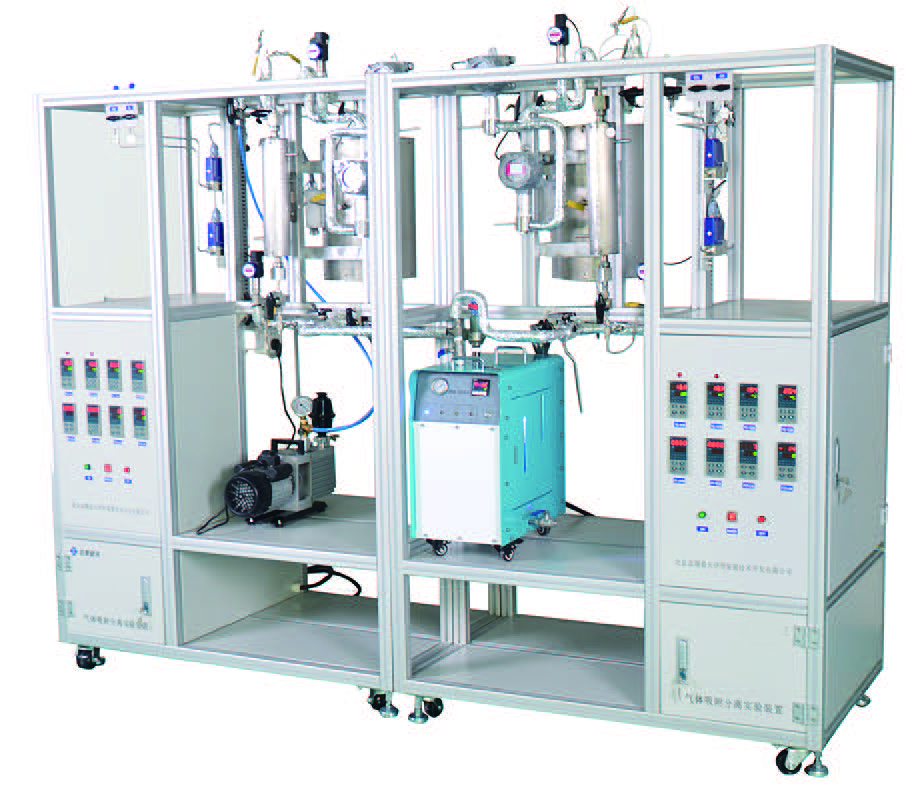
Gas Pressure Swing Adsorption and Desorption Reactor (Touchscreen)

Equipped with an advanced touchscreen interface, this device is designed to evaluate the adsorption and desorption behavior of gases under different pressure conditions. It simulates the performance of adsorbents in varying pressure environments for comprehensive adsorbent performance evaluation. The device also features high-precision data acquisition and real-time monitoring capabilities, providing researchers with a convenient and accurate experimental platform.

Three-Channel Catalyst Evaluation Reactor

The key design feature of the three-channel parallel evaluation device is that the three reaction tubes are heated within the same reaction furnace under high-pressure conditions, ensuring uniform catalyst temperature across all three tubes. This process is particularly suited for reactions that require strict temperature control and repetitive testing, greatly improving experimental efficiency.

Three-Channel Catalyst Evaluation Reactor

The key design feature of the three-channel parallel evaluation device is that the three reaction tubes are heated within the same reaction furnace under high-pressure conditions, ensuring uniform catalyst temperature across all three tubes. This process is particularly suited for reactions that require strict temperature control and repetitive testing, greatly improving experimental efficiency.

Syngas to Methanol Reactor

The reactor is used to convert syngas (a mixture of carbon monoxide and hydrogen) into methanol through a chemical reaction. The syngas-to-methanol process is an important chemical engineering technology, as methanol can be used as a solvent, fuel, or an intermediate for other chemicals. During the setup process, it is important to control reaction conditions such as temperature and pressure to improve yield and selectivity. A more efficient reactor design ensures the continuity and stability of the reaction.

2000ml Trickle – bed Reactor

The purpose of choosing a trickle – bed reactor for a liquid – phase catalytic catalyst evaluation device is to closely approximate the actual application scenarios.

In a trickle – bed reactor, by controlling the droplet falling rate and uniformity, the efficient distribution of the catalyst can be achieved, thereby maximizing the reaction efficiency to the greatest extent. Its design advantage lies in its adaptability to catalysts with a high specific surface area, including particles or nanoparticles, to give full play to their active sites. This type of reactor enables fine control of individual droplets, covering parameters such as the falling rate, size, and interval, providing researchers with greater freedom in experimental design.

Moreover, the trickle – bed reactor is conducive to in – depth study of the kinetic behavior of liquid – phase catalytic reactions, including aspects such as adsorption, desorption, and reaction rates. Through the trickle – bed reactor, researchers can gain a deep understanding of the mechanism of liquid – phase catalytic reactions, providing strong support for the design and application of catalysts.

Catalyst Loading800ml
Air Gas Flow Rate0 ~ 5 NL/min±1% FS
N2 Gas Flow Rate0 ~ 5 NL/min±1% FS
Liquid Feed Rate0 ~ 50 ml/min±1% FS
Reaction Pressure1 ~ 2 MPa±1% FS
Reaction Temperature80 ~ 100°C±1°C

Methane Combustion Reactor

The methane combustion reaction apparatus is designed to simulate and study the combustion process of methane in the presence of oxygen. The system includes methane and oxygen supply systems, reaction systems, online detection systems, and control systems.

Design Parameters

Catalyst bed height10 ~ 20 mm
Operating pressureAtmospheric pressure
Design pressure0.1 MPa
Operating temperature1000°CAccuracy: ±0.1°C
Design temperature1000°CAccuracy: ±0.1°C
Sampling temperature100 ~ 200°C
ReactorIndependent temperature control
Mixing typeStatic mixerSV Type
ReactorTubularQuartz material
Condensate TankCirculating RefrigerationJacket cooling
MS Sampling MethodsFull Component SamplingContinuous control
GC Sampling MethodsGas Phase SamplingContinuous control
Equipment FrameworkAluminum AlloyVertical with pulley
Control MethodPLC+LabVIEWSecurity Protection

Methane Combustion Reactor

The methane combustion reaction apparatus is designed to simulate and study the combustion process of methane in the presence of oxygen. The system includes methane and oxygen supply systems, reaction systems, online detection systems, and control systems.

Design Parameters

Catalyst bed height10 ~ 20 mm
Operating pressureAtmospheric pressure
Design pressure0.1 MPa
Operating temperature1000°CAccuracy: ±0.1°C
Design temperature1000°CAccuracy: ±0.1°C
Sampling temperature100 ~ 200°C
ReactorIndependent temperature control
Mixing typeStatic mixerSV Type
ReactorTubularQuartz material
Condensate TankCirculating RefrigerationJacket cooling
MS Sampling MethodsFull Component SamplingContinuous control
GC Sampling MethodsGas Phase SamplingContinuous control
Equipment FrameworkAluminum AlloyVertical with pulley
Control MethodPLC+LabVIEWSecurity Protection

Related Products